





Poland Sets Its Sights on the 2040 Olympics: A Transformational National Project Takes Shape
Poland has taken its first decisive step toward one of the most ambitious goals in its modern sporti
moreAxglo Strengthens European Network with Official Distributors in the UK, Czech Republic, Germany, and Slovak Republic
Axglo, the Canadian golf equipment specialist renowned for its premium push carts and golf accessori
moreVAT Becomes Official Supplier to Swiss-Ski and Backs Biathlon Star Amy Baserga
VAT, a global leader in high-end vacuum solutions, has signed a three-season partnership with Swiss-
moreThe Mountain Studio Reports 44% Sales Growth as Marcel Hirscher Targets Year-Round Outdoor Brand Expansion
The Mountain Studio, the premium outdoor apparel company co-founded by ski racing legend Marcel Hirs
moreSGS Expands Global Cycling Testing Expertise with Acquisition of EFBE
SGS, the world’s leading testing, inspection, and certification company, has announced the acquisi
more
"Business
Partner search for the Sports industry in Central Europe"
You are here » Home Page
» CE Sports Business News
» Opportunities for Mid-Range Sporting Goods Manufacturers in Russia
 2015-09-04
source own
2015-09-04
source own
Opportunities for Mid-Range Sporting Goods Manufacturers in Russia
2015-09-04
source own
Russia’s capital, Moscow, has been the leader in many retail areas throughout the last decade, for instance: it has the most valuable high-street locations, the highest luxury hotel room rates, as well as the most sales for many leading luxury brands. To add to this list, Moscow overtook Paris in July to emerge as the leading world capital with the largest share of city center retail space. Moscow currently possesses 4.53 million square meters of shopping mall space, in comparison with 4.5 million square meters in Paris.
Despite this visible upturn , the majority of experts think that the new record is going to be undermined by an inevitable slow-down as the situation in Russia affects the retail sector. Vacancy rates in new shopping centers are around 8%, in comparison to the 3%, which was the pre-crisis typical rate in Moscow. The majority of shopping centers have reduced their rents, sometimes by as much as 40%, in an effort to keep merchants in their shopping centers.
Half a dozen brand new shopping centers have been opened in Moscow already in 2015, with a total selling space of 343,000 square meters, the largest figure ever for the city. By contrast, Muscovites today spend just over 7% less on consumer goods in comparison to the same period in 2014. It is very probable that the mega-scale centers, which typified Russian retail in the pre-crisis period, will give way to smaller-scale shopping centers, a pattern which is already noticeable elsewhere in Europe.
A typical shopping center development in Moscow needs approximately US$500 million in investment, with around 60% of the financing originating from either foreign direct investment (FDI) or even from the capital raised in another country. The overall Russian downturn has had its most severe impact on the financial sector, with the property development sector unavoidably affected by aftershocks. This is despite the fact that 95% of the building material utilized by the Russian construction industry is domestically sourced.
Moscow's recently opened 228,500 square meters Avia Park shopping center was the most significant of its type, but will be likely the last such development in Russia for quite some time now. The marketplace has become better suited to medium size shopping malls of around 100,000 square meters, with many surviving retailers planning to reduce costs all around, whilst new entrants to the marketplace are already planning small ventures. Muscovites have likewise demonstrated an inclination towards shopping centers situated nearer to their homes, they no longer appear inclined to drive long distances to out-of-town centers.
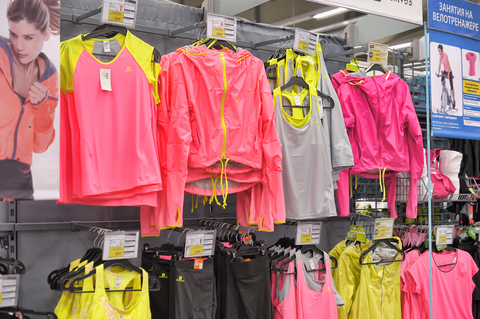
The situation is an an opportune one for middle range brands for sporting goods, and health and lifestyle merchandise, as well as companies working in the more affordable markets, as the shift away from massive shopping centers finds retailers looking to cut costs to remain competitive in Russia’s changing retail market. Without a doubt there are still growing opportunities to appeal to Moscow's style-minded, but cost-conscious, consumers through the increased number of smaller outlets, a similar trend is reported in Russia’s second largest city, Saint Petersburg.
The trend doesn’t mean the death of the shopping mall in Russia, nor does it mean a return to local corner shops; the answer probably lies somewhere in between, with medium size shopping centers (100 00 square meters) within a 20 minute car or bus ride from home. As with any change in the market, new opportunities are always created.
Partner Search Marketplace
Expert Partner Search