



Poland Sets Its Sights on the 2040 Olympics: A Transformational National Project Takes Shape
Poland has taken its first decisive step toward one of the most ambitious goals in its modern sporti
moreAxglo Strengthens European Network with Official Distributors in the UK, Czech Republic, Germany, and Slovak Republic
Axglo, the Canadian golf equipment specialist renowned for its premium push carts and golf accessori
moreVAT Becomes Official Supplier to Swiss-Ski and Backs Biathlon Star Amy Baserga
VAT, a global leader in high-end vacuum solutions, has signed a three-season partnership with Swiss-
moreThe Mountain Studio Reports 44% Sales Growth as Marcel Hirscher Targets Year-Round Outdoor Brand Expansion
The Mountain Studio, the premium outdoor apparel company co-founded by ski racing legend Marcel Hirs
moreSGS Expands Global Cycling Testing Expertise with Acquisition of EFBE
SGS, the world’s leading testing, inspection, and certification company, has announced the acquisi
more
"Business
Partner search for the Sports industry in Central Europe"
You are here » Home Page
» CE Sports Business News
» Sporting Goods Market in Germany Increased by 1.25% in 2014
 2015-02-07
source own
2015-02-07
source own
Sporting Goods Market in Germany Increased by 1.25% in 2014
2015-02-07
source own
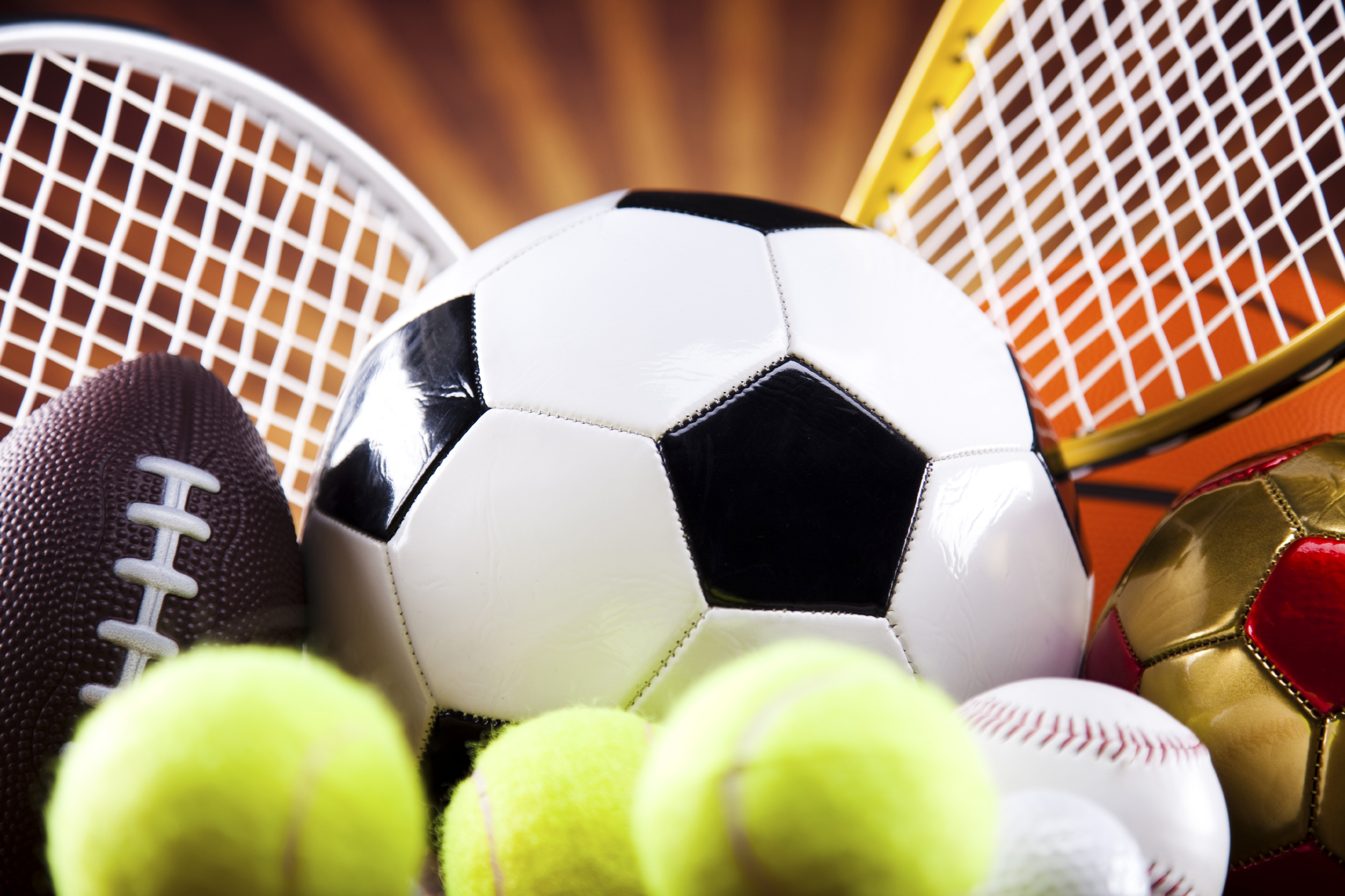
Haizmann Werner, president of the German federation of sports retailers, and of Fedas , the European retailers' federation , released a press release at the 2015 ISPO fair held in Munich on the state of the sports market in Germany. He spoke about a diverse picture for 2014 in the German Sporting goods market. With sporting good sales steadily growing, one may have anticipated more advantageous results, considering the fact that 2014 saw two of the world's biggest sporting events, the Winter Olympics in Sochi Russia, and the FIFA World Cup in Brazil.
In Germany, Werner Haizmann observed a 1.5% improvement in business, now estimated to be worth 7.3 billion Euros. However, the improvement was somewhat low, bearing in mind the sporting events held in 2014, as well as the German team’s victory at the World Cup. The outcome was greatly influenced by the weather, the warmest year in Germany since meteorological records began.
In Germany, sales of winter sports equipment from sports retailers fell by 19%. However, the running and outdoor sectors grew by 12% and 3%, respectively. Outdoor Sporting products represented 20% of the total market in Germany’s sporting goods market, whilst running and walking represented 12%. In comparison, team sports, which accounted for 11.5% of market share, saw their product sales at sports stores increase by 20% overall.
Haizmann estimated that the entire market share of specialized on-street merchants is approximately 45%, and recognizes that they are retaining their positions when dealing with competition from online shops and vendors themselves. He stated the example of Adidas, a company which presently operates, according to Haizmann’s information, not less than fifty online shops, serving in excess of 25 countries in Europe, Asia, and the Americas.
Central European sports retailers on average saw a modest increase of 1.8% in business for 2014, with Poland the best performing Central European sporting goods market, with an increase of 5.4% in 2014.
Considering the variety of thrilling events on the horizon, Sochi appears set to turn into a fixture on the international sporting calendar for many years to come.
Partner Search Marketplace
Expert Partner Search